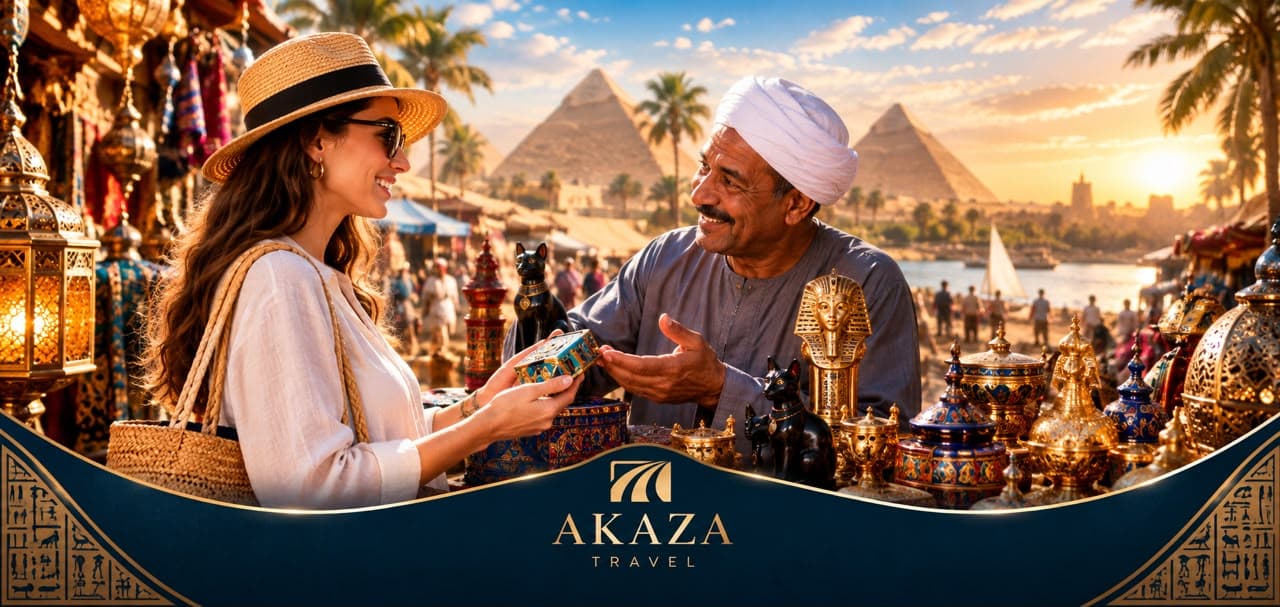
Exploring these markets is part of the cultural experience, but knowing how to communicate with vendors, negotiate prices, and recognize trustworthy sellers can make your shopping experience far more enjoyable.
Whether you are visiting Cairo, Luxor, Aswan, Hurghada, or Marsa Alam, a few simple tips will help you shop confidently while enjoying Egypt’s famous hospitality.
1. Understand How Bargaining Works in Egypt
Bargaining is common in many traditional markets and souvenir shops, particularly in tourist areas. It is often considered a normal part of the shopping experience rather than a sign of disagreement.
Before making a purchase, ask for the price and decide whether it seems reasonable. If you feel it is too high, you can politely make a counteroffer.
Useful phrases include:
* “Is this your best price?”
* “Can you offer me a better price?”
* “Thank you, but that is above my budget.”
Stay friendly, patient, and respectful. There is no need to feel pressured to reach an agreement. If the price does not suit you, simply thank the seller and walk away.
An important tip: Bargaining is not necessary everywhere. Supermarkets, shopping malls, established retail stores, and many restaurants operate with fixed prices. Always check whether the displayed price includes taxes or additional charges when relevant.
2. How to Recognize a Trustworthy Vendor
A friendly approach is welcome, but friendliness alone does not guarantee reliability. Look for practical signs that a seller operates transparently.
Reliable vendors generally:
* Display prices clearly or explain them before you commit to buying.
* Allow you to inspect the product without unnecessary pressure.
* Explain the product’s material, quality, origin, and any relevant limitations honestly.
* Provide a receipt when appropriate.
* Clearly explain return, exchange, and warranty conditions.
* Give you time to make a decision without insisting that you purchase immediately.
For expensive items, such as gold jewelry, antiques, branded products, or valuable handicrafts, choose established shops with verifiable business details and appropriate documentation.
Remember that a polished shop or an expensive location does not automatically guarantee authenticity. For valuable purchases, independent verification is always worthwhile.
3. Watch Out for Common Shopping Scams
Most shopping interactions are straightforward, but visitors should be aware of a few situations that can lead to misunderstandings or unexpected expenses.
The “free gift” approach: Someone may offer you a souvenir, bracelet, or small item as a gift and later demand payment. Before accepting anything, politely ask whether it is genuinely free. If you do not want it, decline clearly.
Unexpected price changes: A seller may quote one price and later claim that it applies to a smaller item or excludes an additional charge. Confirm the final price, currency, quantity, and any extra fees before paying.
Unsolicited assistance: Someone may offer to guide you to a special shop, help you find a particular product, or take you somewhere supposedly exclusive. Their assistance may come with an undisclosed expectation of payment or commission. Ask about any charges in advance.
Misleading claims about authenticity: Be cautious when a seller describes an item as genuine gold, silver, an authentic antique, or a branded product without supporting evidence. Request appropriate documentation and an independent assessment when necessary.
If an interaction makes you uncomfortable, you are not obliged to continue it. Decline politely and move to a busier public area if needed.
4. What Protects Your Rights as a Buyer?
The best protection is to make every important detail clear before completing the transaction.
Keep these precautions in mind:
* Ask for a receipt: Keep proof of purchase showing the seller’s details, the item, the amount paid, and the date whenever possible.
* Confirm the total price: Make sure you understand the price in Egyptian pounds or the agreed currency, including any additional fees.
* Inspect the item: Check its condition, size, material, quantity, and specifications before paying.
* Understand the return policy: Ask whether returns or exchanges are accepted and under what conditions. Do not assume that every shop offers change-of-mind returns.
* Keep evidence: Save receipts, product descriptions, messages, payment confirmations, and photographs of the item if a dispute arises.
* Use secure payment methods: Check the amount before confirming a card transaction, and never share your PIN or banking verification codes with a seller.
If a purchase goes wrong, first try to resolve the issue directly with the seller. Keep your supporting documents and records of the transaction in case you need to take further action.
5. Where Is It Safer to Shop in Egypt?
The most suitable shopping location depends on what you want to buy.
Traditional bazaars and local markets: Excellent for souvenirs, spices, textiles, handmade crafts, and cultural experiences. Prices may be negotiable, so compare several sellers before deciding.
Established retail stores and shopping malls: Often a better option for products with fixed prices, branded goods, electronics, and purchases where documented warranties matter.
Specialist jewelry and handicraft shops: For gold, silver, gemstones, or valuable handmade items, prioritize businesses that provide clear product descriptions, receipts, and relevant certificates.
Hotel-recommended or tour-recommended shops: Recommendations can be useful starting points, but they are not guarantees of quality or fair pricing. Always make your own assessment.
For online purchases, check the seller’s identity, delivery terms, refund conditions, and payment security before placing an order.
6. What Should You Do If You Experience a Problem?
If a seller refuses to honor an agreed transaction, provides a significantly different product, or pressures you into paying unexpectedly, remain calm and keep a record of what happened.
Explain the issue clearly and request a reasonable resolution. If the situation cannot be resolved, contact your hotel reception or tour operator for guidance.
Keep your receipt, payment confirmation, messages, and photographs in a safe place. These records can help you explain the situation clearly if you decide to pursue a complaint.
7. The Golden Rule: Shop with Confidence, Not Pressure
Shopping in Egypt should be an enjoyable opportunity to discover local culture, meet artisans, and take home meaningful memories. You do not need to accept the first price, purchase something because you feel uncomfortable saying no, or trust a seller solely because they seem friendly.
Compare prices, ask questions, confirm agreements, and keep your receipts. A respectful attitude combined with sensible precautions will help you make better decisions and enjoy a more rewarding experience.
Discover Egypt at your own pace, shop responsibly, and let every purchase become a positive part of your journey.
Travel with confidence. Experience Egypt with AKAZA Travel.